Justin Barron – Director of Blueprint Supported Education
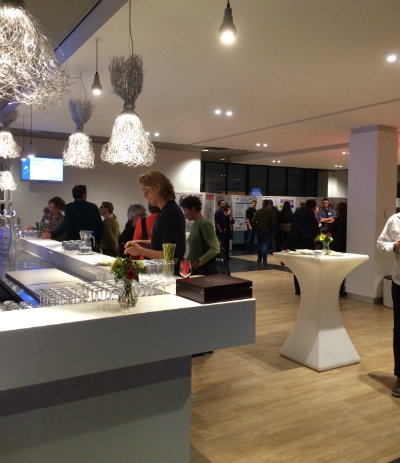
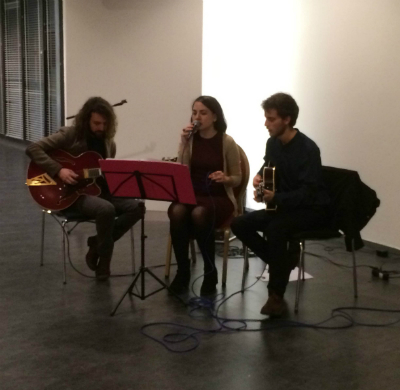
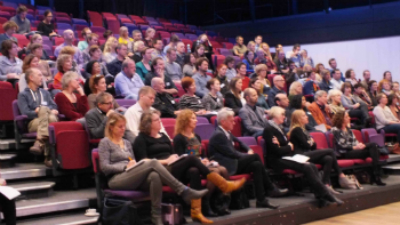
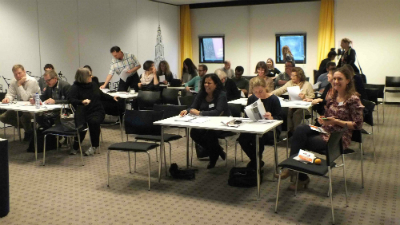
During November 16th and 17th I had the great pleasure of attending the First European Conference on Supported Education in Groningen, the Netherlands. The conference was hosted by the Hanze University of Applied Sciences in collaboration with Erasmus ImpulSE Project, an intra-European network of SEd providers. Over 150 service providers, researchers, and public health officials from across Europe, North America, and Asia were in attendance. It was truly an international scene, and I was both grateful and excited to be immersed in two days of global perspectives on SEd that I can incorporate into Blueprint!
Some highlights from the presentations:
Endre Stigen (Norway) is a PhD candidate who shared his own experience as a SEd participant. Given that SEd is so new to NYC, this was my first time hearing directly from a recipient of the services, which was a very valuable experience. Endre spoke passionately about the key role higher education played in his recovery and in building a life with personal meaning and purpose. He also elaborated on the encouragement and understanding his SEd counselors provided when he was meeting stigma and discrimination elsewhere.
Jose Ornelas (Portugal) emphasized that SEd must be a part of a larger project for transformative change including both supported housing and supported employment. His presentation reinforced the notion that successful education experiences build one's natural supports and social networks, reminding me of the important social focus of our former program Recovery Connections, and the value these ideas will bring to Blueprint.
Marianne Farkas (USA), a researcher and clinical professor at Boston University, explored the increasing popularity of community colleges and technical training programs, especially in relation to dramatically rising tuition at larger universities in the USA. She noted that while these institutions provide increased opportunities for more people, there are fewer student services available, increasing the need for SEd programs.
Lucia Olivier (Portugal), a Supported Education provider in the ImpulSE European Project, reminded us that sometimes advocacy is about precisely the opposite of accommodations, detailing the impact of stigma and discrimination in the classroom which can often lead to unwanted “special” treatment and exclusionary practices. I was introduced to an excellent tool for helping students determine how, and when, to disclose psychiatric disabilities or other mental health concerns in an educational setting.
I met some tremendous people – leaders in the field, emerging providers, and successful participants alike, and brought back a treasure trove of ides. Most importantly, I feel like Blueprint is part of a wider community of people promoting the importance of higer education in wellness and recovery.
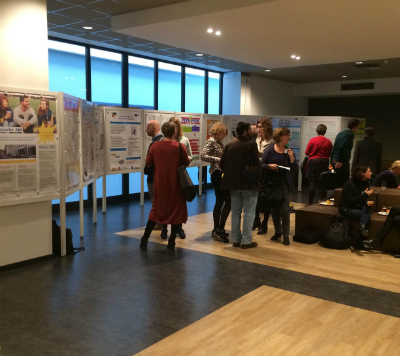
Additional information on the conference, including all the poster presentations, is available here: http://www.supportededucation.eu/conference/
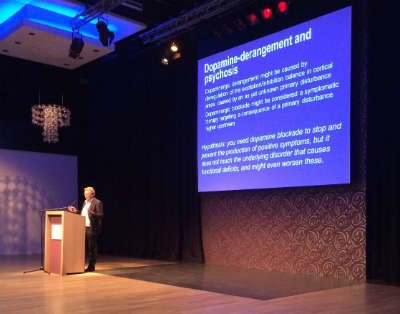 Lex Wunderink, M.D., PhD
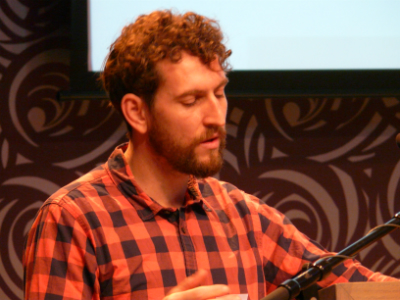 Endre Stigen
 Michelle Mullen